What are the risks?
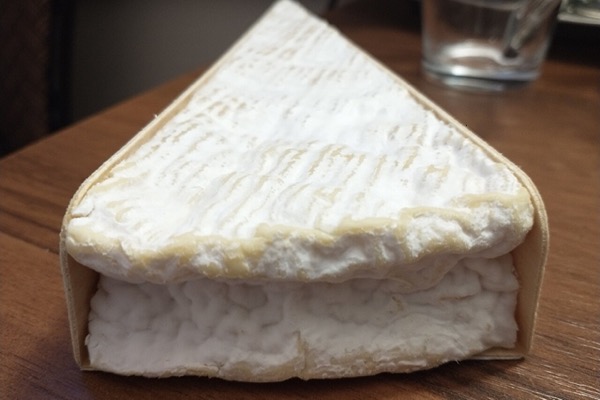
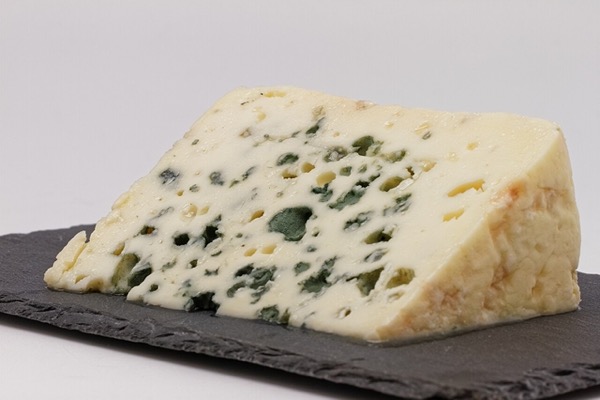
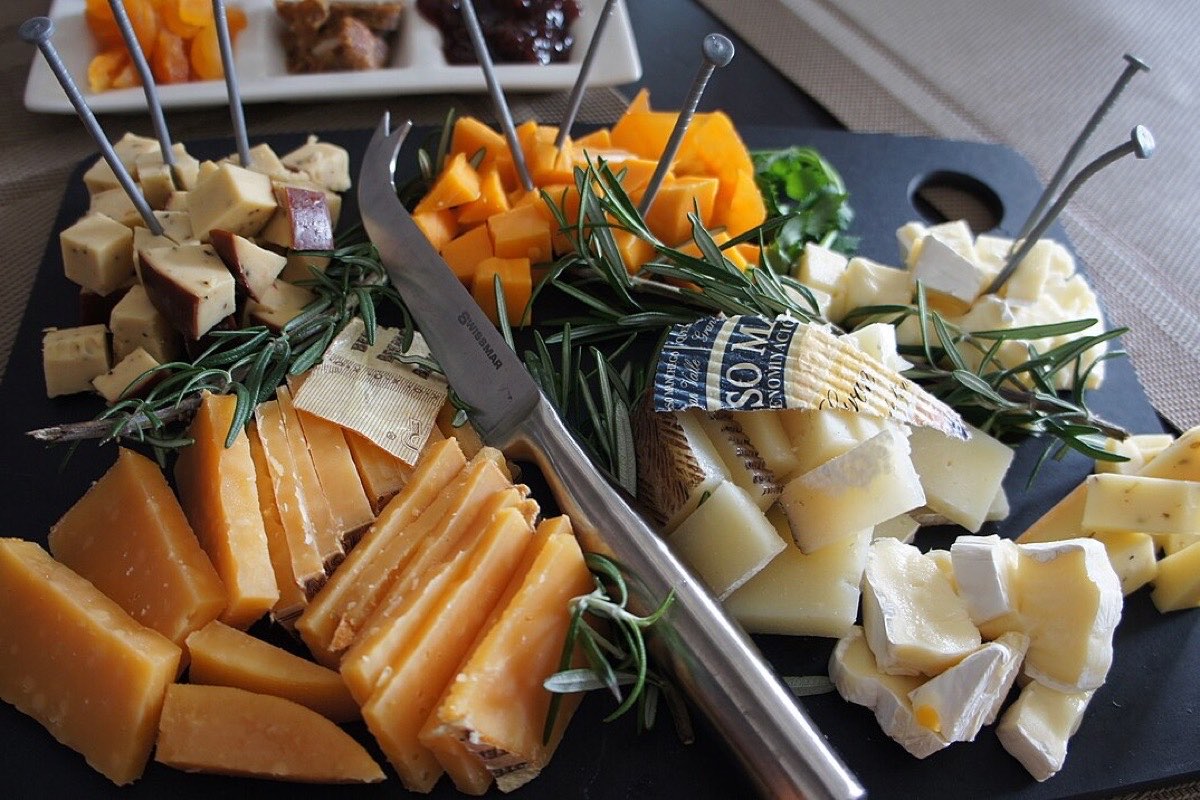
Soft, mould-ripened cheeses with a white rind (like brie and camembert) and soft blue-veined cheeses (like gorgonzola and roquefort) are moist and less acidic, so listeria can grow in them, even when they're made with pasteurised milk.
Soft cheeses made with unpasteurised milk carry the same risk, as does any food made from unpasteurised milk.
Hard cheeses contain much less water, so bacteria are unlikely to grow in them.
When can you eat it?
According to the NHS, these are fine to eat:
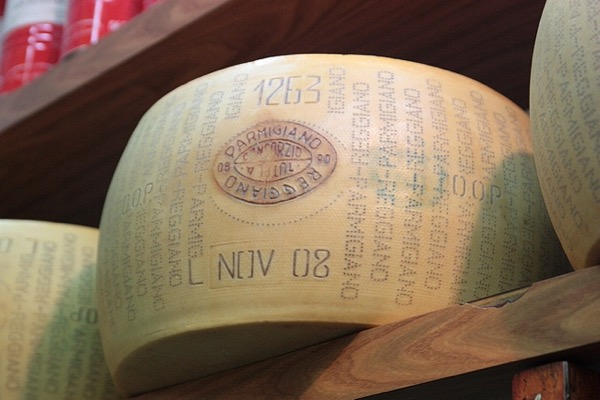
- All hard cheeses, pasteurised or unpasteurised: cheddar, parmesan, gruyère, comté, manchego, red Leicester.
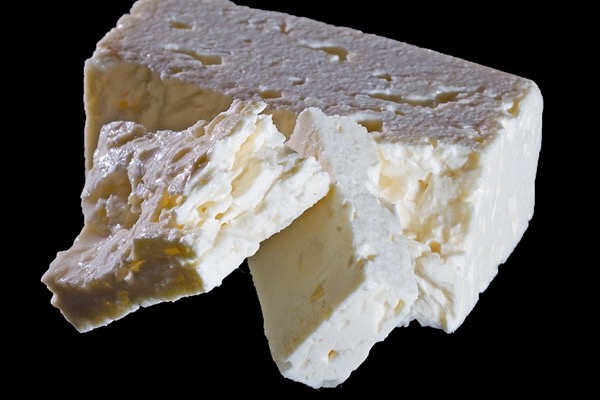
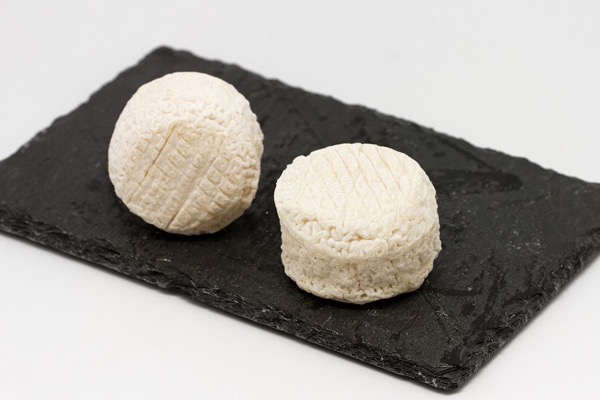
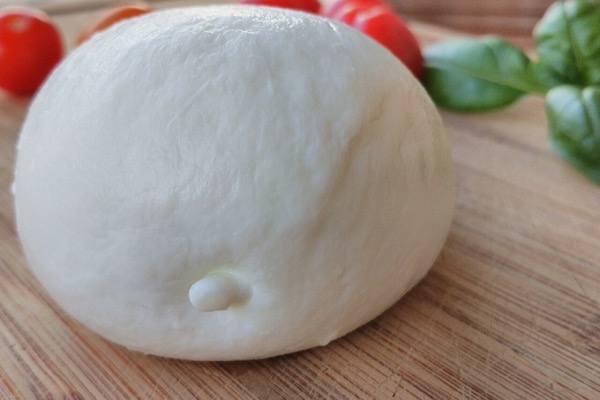
- Pasteurised soft cheeses: mozzarella, burrata, feta, cottage cheese, cream cheese, ricotta, mascarpone, halloumi, paneer, processed cheese spreads, and goats' cheese without a white rind.
- Any cheese cooked until steaming hot, including soft and blue cheese: baked camembert, blue cheese sauce, a cheese toastie.
Alternatives
Craving brie? A wedge of mature cheddar or comté gives you the same cheeseboard moment. Or bake the brie until it's bubbling all the way through.
Special cases
Cheese on pizza
Mozzarella, gorgonzola or goats' cheese on a pizza is fine, as long as the pizza comes out of the oven piping hot.
Cheese at a restaurant or deli counter
Ask whether a soft cheese is pasteurised. If no one knows and it's served cold, choose a hard cheese instead.
Cheese in pre-packed sandwiches and salads
The NHS lists pre-packed sandwiches and salads among foods to be careful with: keep them chilled and eat them before the use-by date.
Pregnant? Olyra tailors its guidance to your pregnancy.
Discover OlyraI've already eaten it: what should I do?
According to the NHS, if you have eaten something on the list of foods to take care with and you did not get ill, it's unlikely to have affected your baby. Listeriosis and toxoplasmosis are rare.
Keep an eye out for unusual symptoms in the following weeks: a high temperature, aches and pains, chills, feeling or being sick, or diarrhoea.
If you feel unwell or are worried, call your midwife, your GP or NHS 111, and say what you ate and when.
Frequently asked questions
Can I eat cheddar when pregnant?+
Yes. Cheddar is a hard cheese, so it's fine even if it's made with unpasteurised milk.
Is unpasteurised cheese safe in pregnancy?+
Hard unpasteurised cheeses are fine. Soft unpasteurised cheeses should only be eaten cooked until steaming hot.
Is pasteurised brie safe?+
Not cold. Brie is a mould-ripened soft cheese, so the NHS says it needs to be cooked until steaming hot, even when it's pasteurised.
Can I eat halloumi or paneer?+
Yes, both are on the NHS list of pasteurised soft cheeses that are fine to eat, hot or cold.
Can I eat cheesecake?+
Shop-bought cheesecakes are usually made with pasteurised cream cheese, so they're fine. Check the label for any unpasteurised soft cheese.
Sources
Published . Written from the public NHS guidance listed above. Last updated . See how we check our guidance.