What are the risks?
No particular risk. Cut off the rind if it's dirty, and keep the cheese wrapped in the fridge.
When can you eat it?
- Cold, on a cheeseboard or in a sandwich.
- Melted, in a gratin, fondue or toastie.
Special cases
Gruyère, beaufort, emmental
Also hard cheeses: same answer, fine even unpasteurised. The NHS names gruyère specifically.
Fondue
The cheese is fine. Traditional fondue contains white wine and kirsch, which don't fully cook off: make it with stock or apple juice instead.
Pregnant? Olyra tailors its guidance to your pregnancy.
Discover OlyraI've already eaten it: what should I do?
According to the NHS, if you have eaten something on the list of foods to take care with and you did not get ill, it's unlikely to have affected your baby. Listeriosis and toxoplasmosis are rare.
Keep an eye out for unusual symptoms in the following weeks: a high temperature, aches and pains, chills, feeling or being sick, or diarrhoea.
If you feel unwell or are worried, call your midwife, your GP or NHS 111, and say what you ate and when.
Frequently asked questions
Is comté pasteurised?+
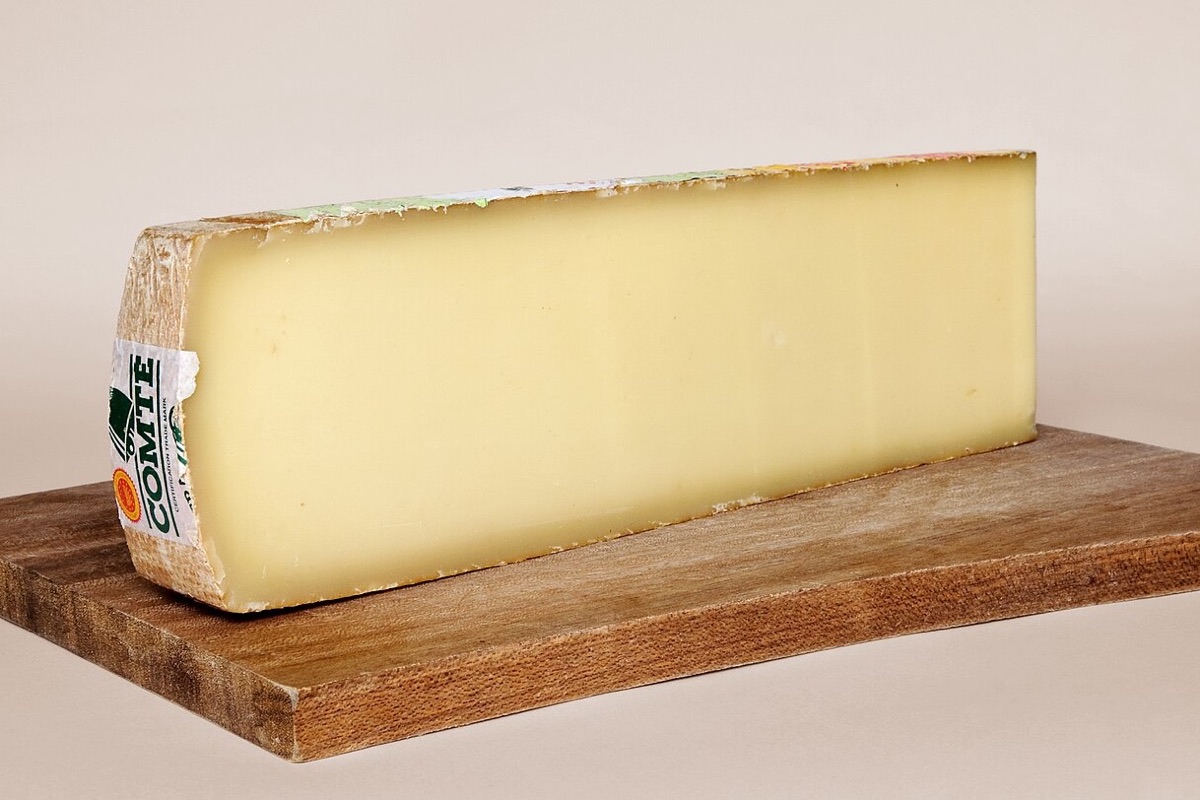
No, comté PDO must be made with raw milk. It's still fine in pregnancy because it's a hard cheese.
Can I eat comté rind?+
It's safe, but most people cut it off as it's tough.
Sources
Published . Written from the public NHS guidance listed above. Last updated . See how we check our guidance.