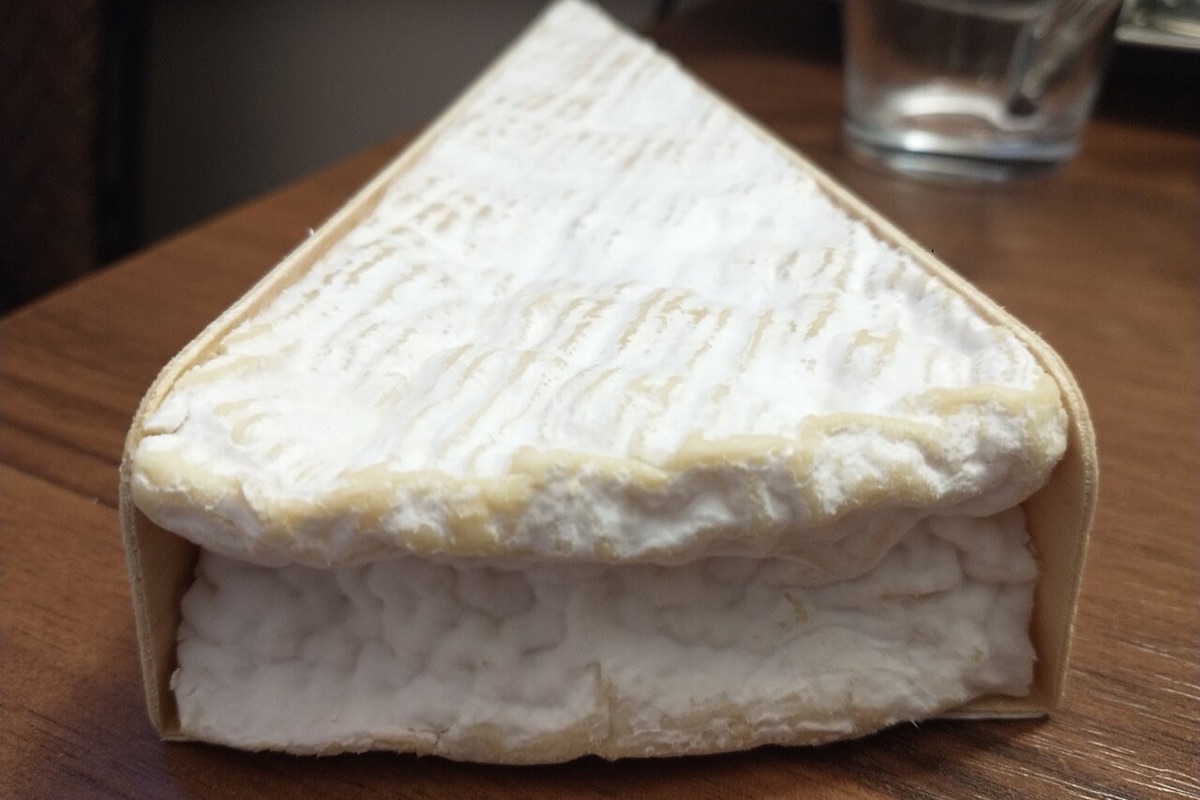
What are the risks?
Listeriosis is rare but can cause miscarriage, stillbirth or serious illness in a newborn.
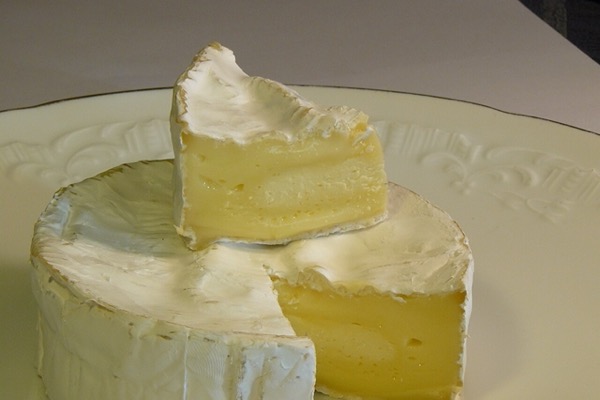
Pasteurisation kills bacteria in the milk, but listeria can still get in and grow during the long ripening.
When can you eat it?
- Baked brie, bubbling hot all the way through.
- Brie melted in a toastie, on a pizza or in a hot tart.
- Cooked until steaming hot, not just warm.
Alternatives
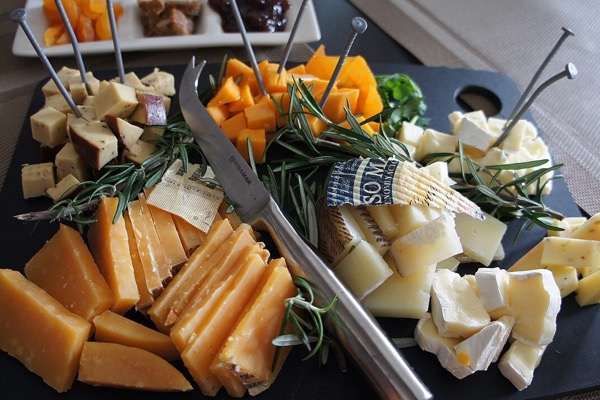
For a cheeseboard: mature cheddar, comté, parmesan or a pasteurised cream cheese.
Special cases
Brie and cranberry sandwiches
Cold pre-packed brie sandwiches are not suitable. A hot brie and cranberry toastie is fine if it's melted through.
Brie in a salad
Warm grilled brie on a salad is fine only if it's hot all the way through, not just softened on the outside.
Pregnant? Olyra tailors its guidance to your pregnancy.
Discover OlyraI've already eaten it: what should I do?
According to the NHS, if you have eaten something on the list of foods to take care with and you did not get ill, it's unlikely to have affected your baby. Listeriosis and toxoplasmosis are rare.
Keep an eye out for unusual symptoms in the following weeks: a high temperature, aches and pains, chills, feeling or being sick, or diarrhoea.
If you feel unwell or are worried, call your midwife, your GP or NHS 111, and say what you ate and when.
Frequently asked questions
Is pasteurised brie safe when pregnant?+
Not cold. The NHS rule covers pasteurised and unpasteurised mould-ripened cheeses alike.
Can I eat baked brie?+
Yes, as long as it's steaming hot in the middle.
What about the rind?+
The rind is the same as the rest: fine when cooked, not cold.
Sources
Published . Written from the public NHS guidance listed above. Last updated . See how we check our guidance.