The short answer: check six things on the pack: the milk, the use-by date, the cooking and storage instructions, the ingredients list, the caffeine and the ABV.
How to read food labels during pregnancy
Pasteurised or not, use-by date, caffeine, alcohol, liver: the words to look for on UK packaging when you're pregnant, and what each one means for you.
Based on NHS guidanceLast updated
Label wording at a glance
| On the label | What it means in pregnancy |
|---|---|
| "Pasteurised milk" | Good sign for soft cheese. Brie, camembert and soft blue cheese still need cooking. |
| "Unpasteurised", "raw milk", "lait cru" | Avoid milk, cream, yoghurt and butter. Soft cheese: only cooked until steaming hot. Hard cheese: fine in UK advice. |
| "Use by" | Safety date. Don't go past it. |
| "Best before" | Quality date. Usually safe afterwards. |
| "High caffeine content" | Not recommended in pregnancy, as the label itself says. |
| "0.5% ABV" | Contains a small amount of alcohol. |
| "Liver" | Avoid. |
| "Liquorice root" in a herbal tea | Avoid. |
1. Is the milk pasteurised?
Look in the ingredients list. The NHS says to avoid unpasteurised milk, cream, yoghurt, butter and ice cream. GOV.UK says pregnant women should not consume raw milk or cream.
"Pasteurised" isn't a free pass: cold brie, camembert and soft blue cheese need cooking even when pasteurised. See our cheese guide.
2. Use by or best before?
Use-by dates are about safety and best before dates are about quality. Don't eat food after its use-by date unless you cooked or froze it on or before that date. Once a pack is open, the NHS says to use it within 2 days unless the label says otherwise.
3. Storage and cooking instructions
"Keep refrigerated" means 5°C or below. A cold-smoked or cured product, such as smoked salmon or salami, may be sold as ready to eat. In pregnancy, cook it until steaming hot anyway.
4. Ingredients to spot
- Liver, in pâtés and some sausages.
- Liquorice root, in some herbal teas.
- Vitamin A or retinol, in supplements: the NHS says not to take these, or cod liver oil.
- Eggs: look for the British Lion or Laid in Britain mark before eating them runny.
5. Caffeine
Drinks with more than 150mg of caffeine per litre should carry the words "High caffeine content. Not recommended for children or pregnant or breast-feeding women", with the amount per 100ml. Multiply it by the size of the can, then check it against your 200mg a day with our caffeine calculator.
For example, 32mg per 100ml in a 250ml can is 80mg.
6. Alcohol: 0.0%, 0.05% or 0.5%?
- Alcohol free: no more than 0.05% ABV.
- De-alcoholised: no more than 0.5% ABV.
- Low alcohol: no more than 1.2% ABV.
These descriptors are voluntary guidance for England, and imported drinks may differ, so read the ABV itself. More in our guide to alcohol-free drinks.
No label? Ask
At a deli counter, market or restaurant, ask if the milk is pasteurised and whether the food is cooked. If nobody knows, choose something else. With packaged food, you can also scan the barcode with Olyra, then check the pack, since recipes change.
See also the full list of foods to avoid during pregnancy.
Frequently asked questions
What should I look for on a food label when pregnant?
Check whether the milk is pasteurised, the use-by date, storage and cooking instructions, and the ingredients for liver or liquorice root. On drinks, check the caffeine and the ABV.
What if a label doesn't say whether the cheese is pasteurised?
If it's a hard cheese, UK advice is that it's fine either way. If it's a soft cheese, ask the shop, choose another one, or cook it until steaming hot.
Can I eat food after its best before date when pregnant?
Usually yes: best before is about quality. Use-by is about safety, so don't eat food after its use-by date unless it was cooked or frozen on or before that date.
Does alcohol-free always mean no alcohol?
No. Under UK guidance, alcohol free means no more than 0.05% ABV and de-alcoholised no more than 0.5%. Look for 0.0%.
Sources and references
Can I eat this when pregnant?
 Take care
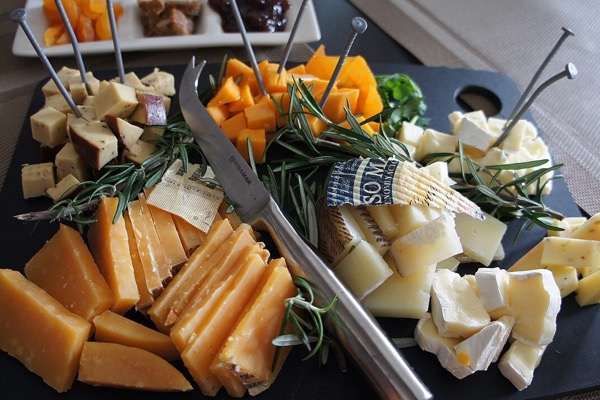
Cheese in pregnancy
Most cheese is fine: all hard cheeses and pasteurised soft cheeses. Mould-ripened and soft blue cheeses only if cooked until steaming hot.
 Safe
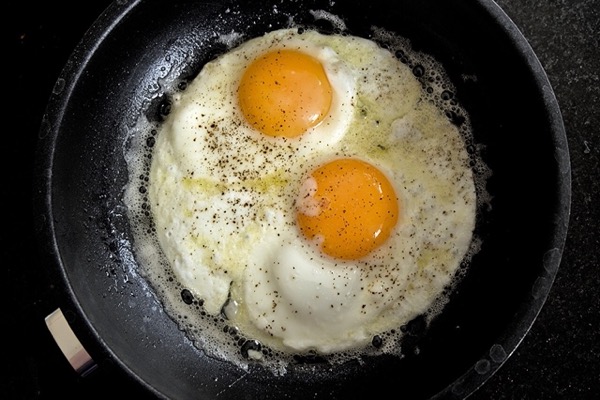
Eggs in pregnancy
Yes, if they're British Lion or Laid in Britain hen eggs. Other eggs should be cooked until white and yolk are solid.
Alcohol-free drinks in pregnancy
Choose drinks labelled 0.0% or "alcohol-free". "De-alcoholised" and "low alcohol" drinks still contain some alcohol.
 Take care
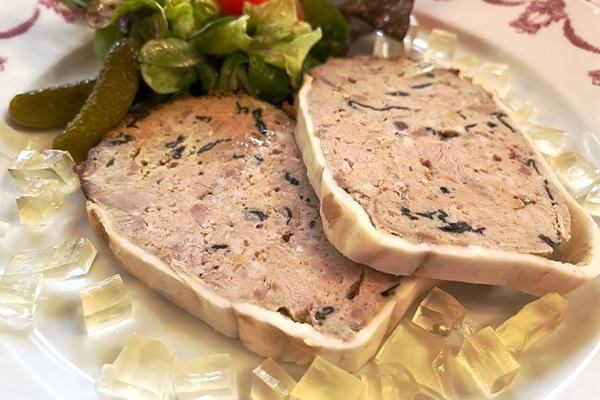
Pâté in pregnancy
Avoid liver pâté. Meat or vegetable pâté without liver: keep it chilled and eat it before the use-by date.
Pre-packed sandwiches and salads in pregnancy
Yes. Keep them chilled, eat them before the use-by date, and check the filling.
 Take care
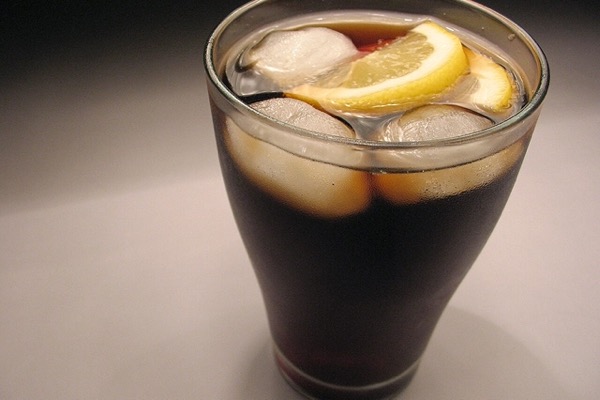
Cola in pregnancy
Yes, occasionally: about 40mg of caffeine a can, to count in your 200mg a day.