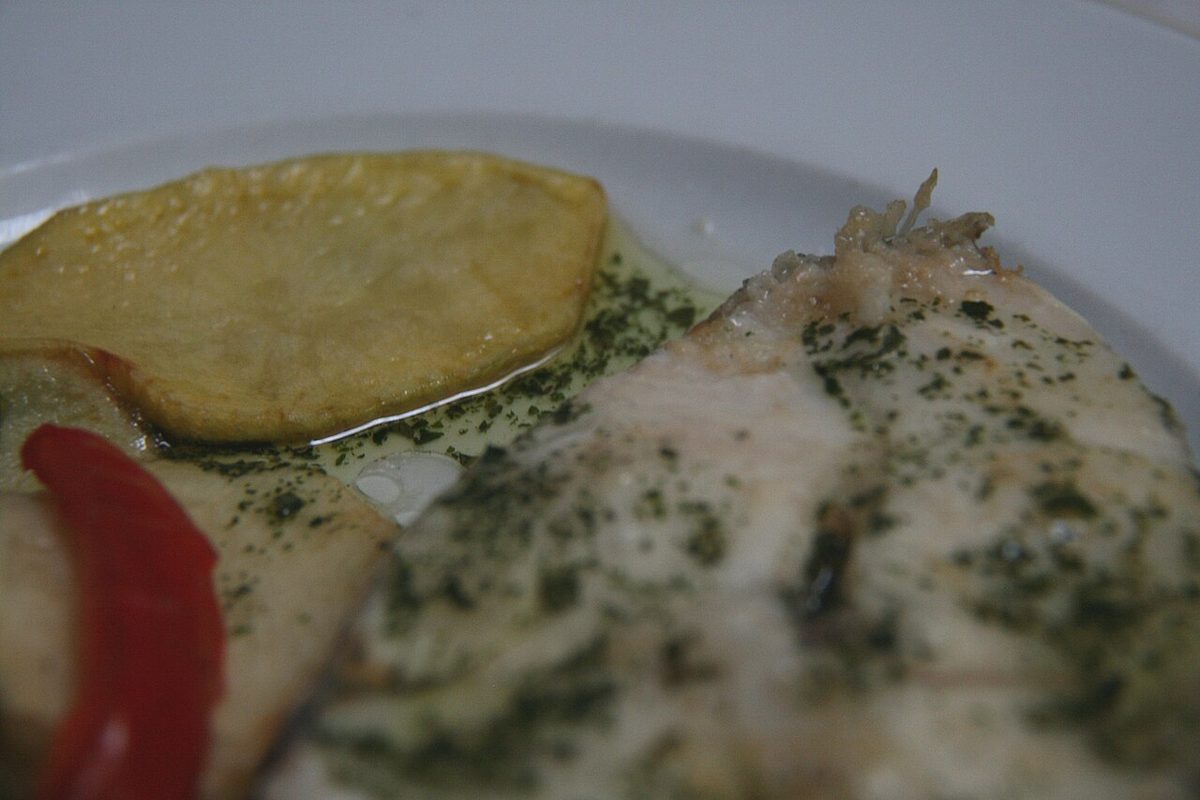
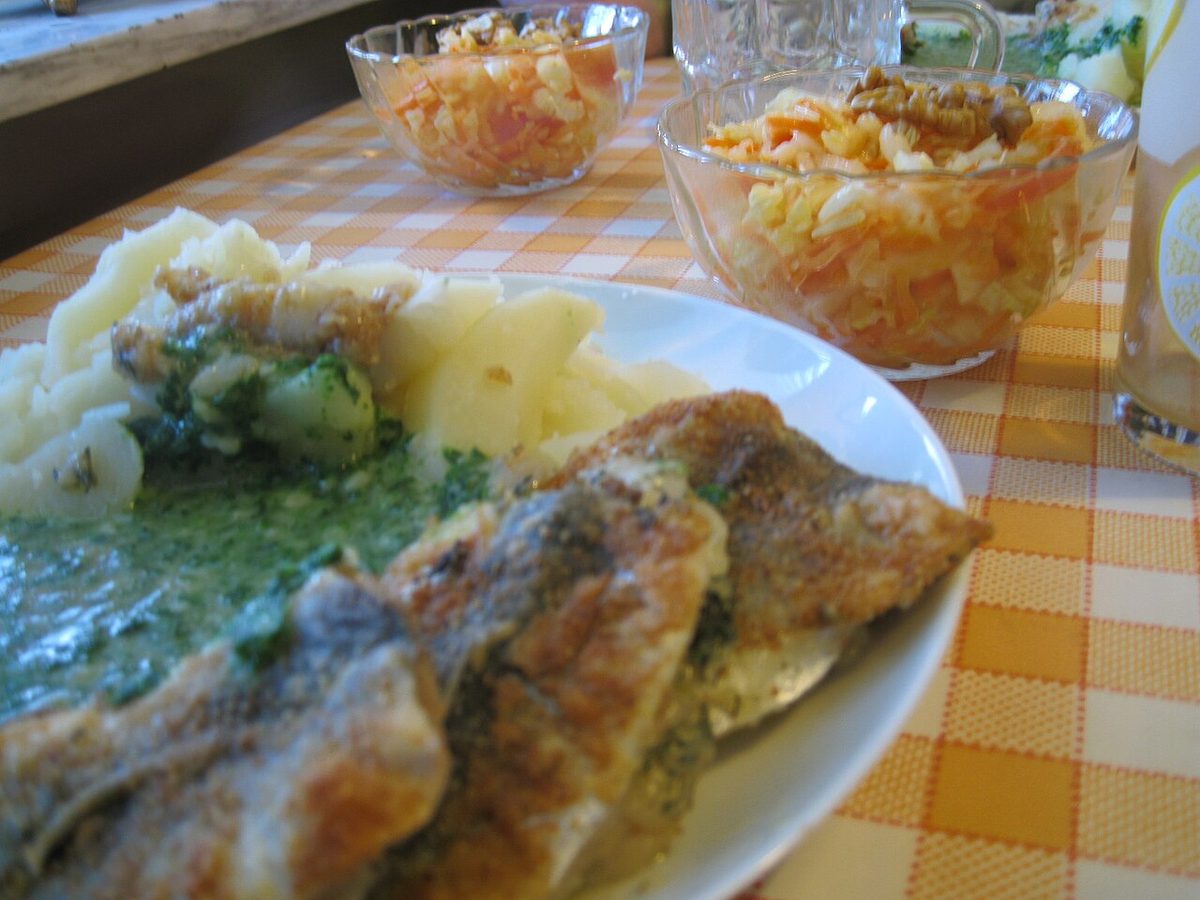
Salmon, sardines, mackerel, cod… Fish is still a great choice during pregnancy. Here are 10 fish to enjoy, why they're good for you, and the NHS rules to follow.
Can you eat salmon when you're pregnant? Are tinned sardines OK? And what about tuna, cod or mackerel?
Fish is one of the best foods you can eat during pregnancy. It gives you protein, vitamin D, iodine and omega-3 fatty acids, which help your baby's brain, eyes and nervous system develop.
But not all fish are equal. Some can contain pollutants or high levels of mercury, and raw or cold-smoked fish can carry bacteria such as listeria.
The good news: there are plenty of fish you can keep enjoying. Here are 10 of the best, what they bring you, and the simple rules the NHS recommends.
Why do you need to be careful with fish during pregnancy?
Some large predatory fish build up mercury over their lifetime. In high amounts, mercury can affect how a baby's nervous system develops, which is why the NHS advises avoiding shark, swordfish and marlin altogether.
Oily fish are very good for you, but they can also contain small amounts of pollutants. That's why the NHS recommends no more than 2 portions of oily fish a week during pregnancy (NHS).
Finally, raw fish and cold-smoked or cured fish may contain listeria, a bacterium that can cause a rare but serious infection in pregnancy.
So the aim isn't to cut out fish. It's to pick the right ones, keep oily fish to 2 portions a week, and cook fish properly.
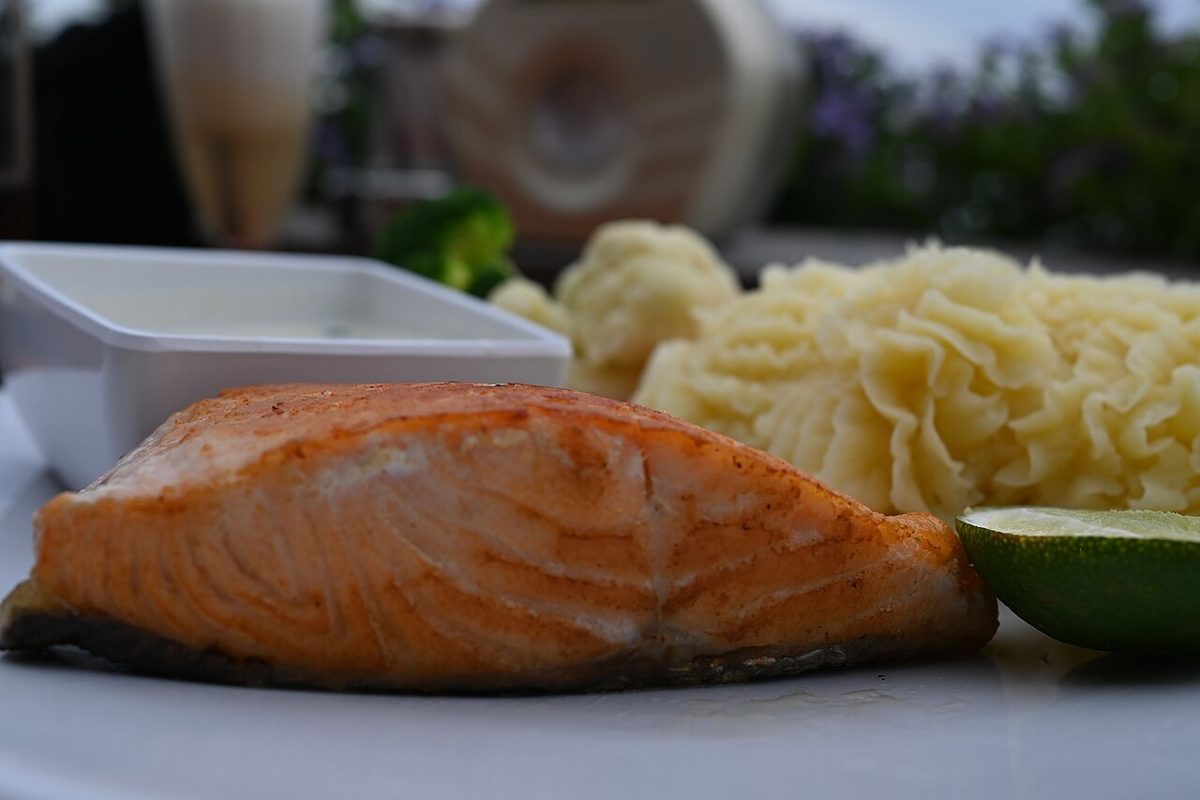
Salmon is one of the most popular oily fish, and for good reason. It's rich in omega-3, especially DHA, which supports your baby's brain and eye development.
It also gives you:
Good-quality protein.
Vitamin D.
Vitamin B12.
Selenium.
Why choose it? It's one of the easiest ways to get omega-3 into your week.
How to eat it: fresh or frozen, cooked all the way through. Tinned salmon is fine too, and the soft bones add calcium. Smoked salmon must be cooked until steaming hot (in a pasta dish or quiche, for example). Salmon counts towards your 2 portions of oily fish a week.
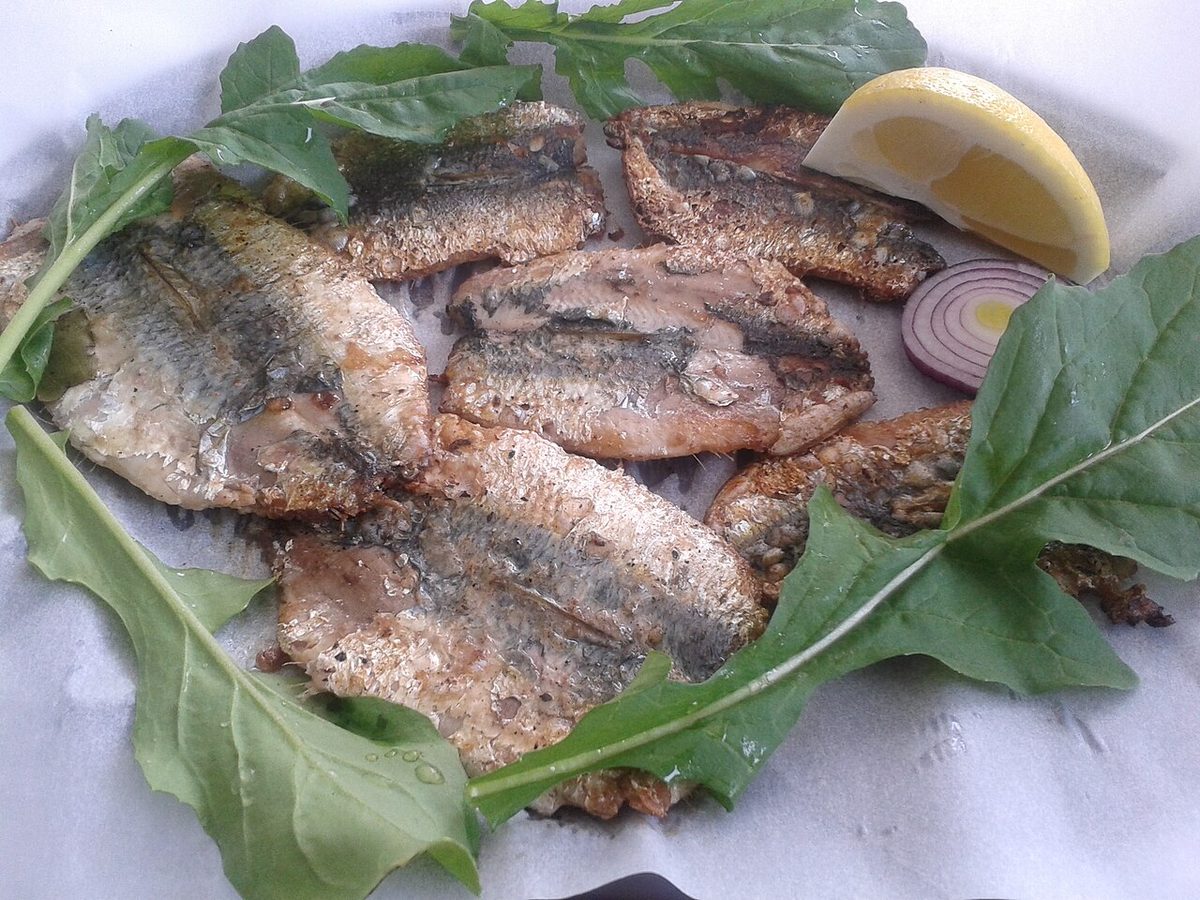
Small but mighty, sardines are naturally rich in omega-3, protein and vitamin D. Tinned sardines eaten with their soft bones are also a good source of calcium.
Why choose them? They're cheap, easy and packed with nutrients. Sardines on toast makes a quick pregnancy-friendly lunch.
How to eat them: fresh (grilled or baked until cooked through) or tinned. They count as oily fish.
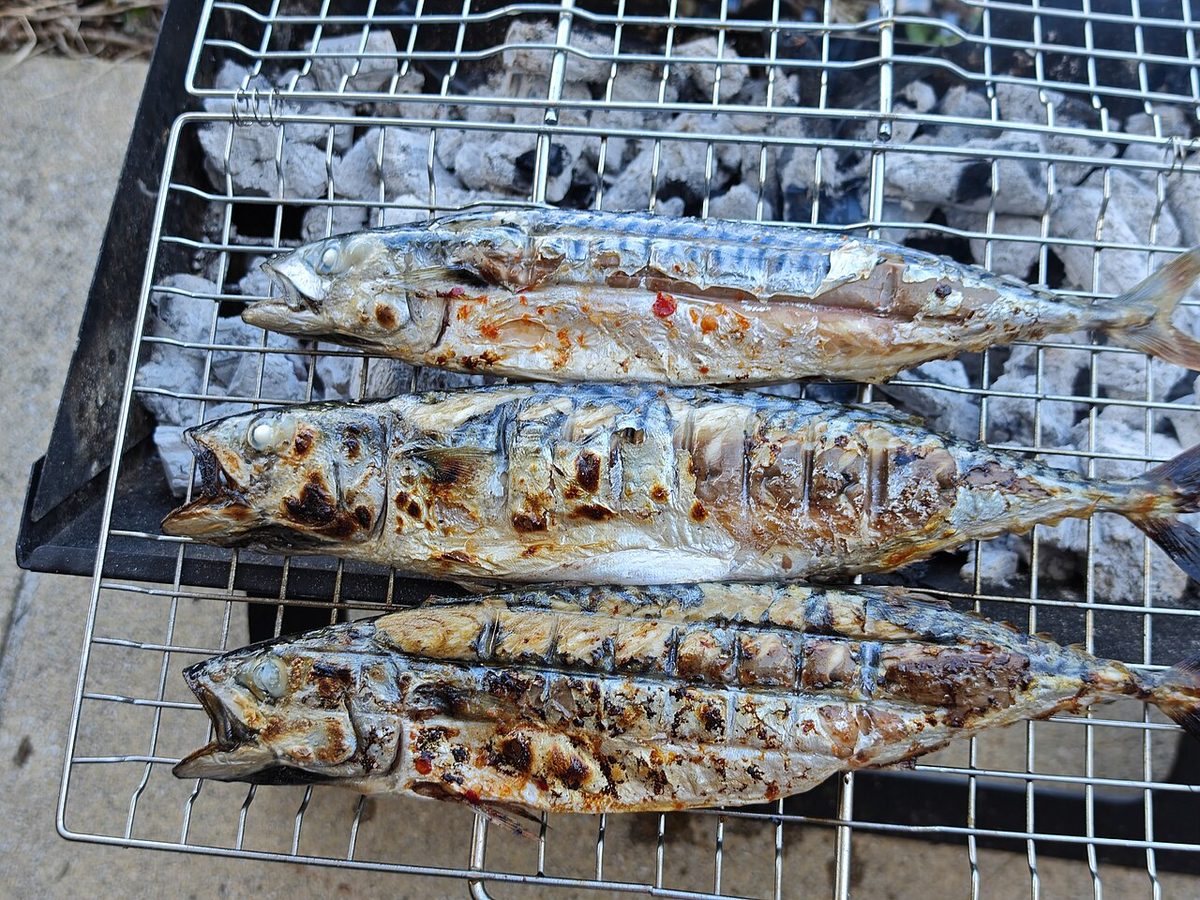
Mackerel is one of the richest sources of omega-3 (DHA and EPA). It also provides protein, vitamin B12, vitamin D and selenium.
Why choose it? A single portion goes a long way towards your omega-3 for the week.
How to eat it: fresh and cooked through, or tinned. Smoked mackerel is very popular in the UK: the NHS advises only eating smoked fish that has been thoroughly cooked, so heat it until steaming hot.
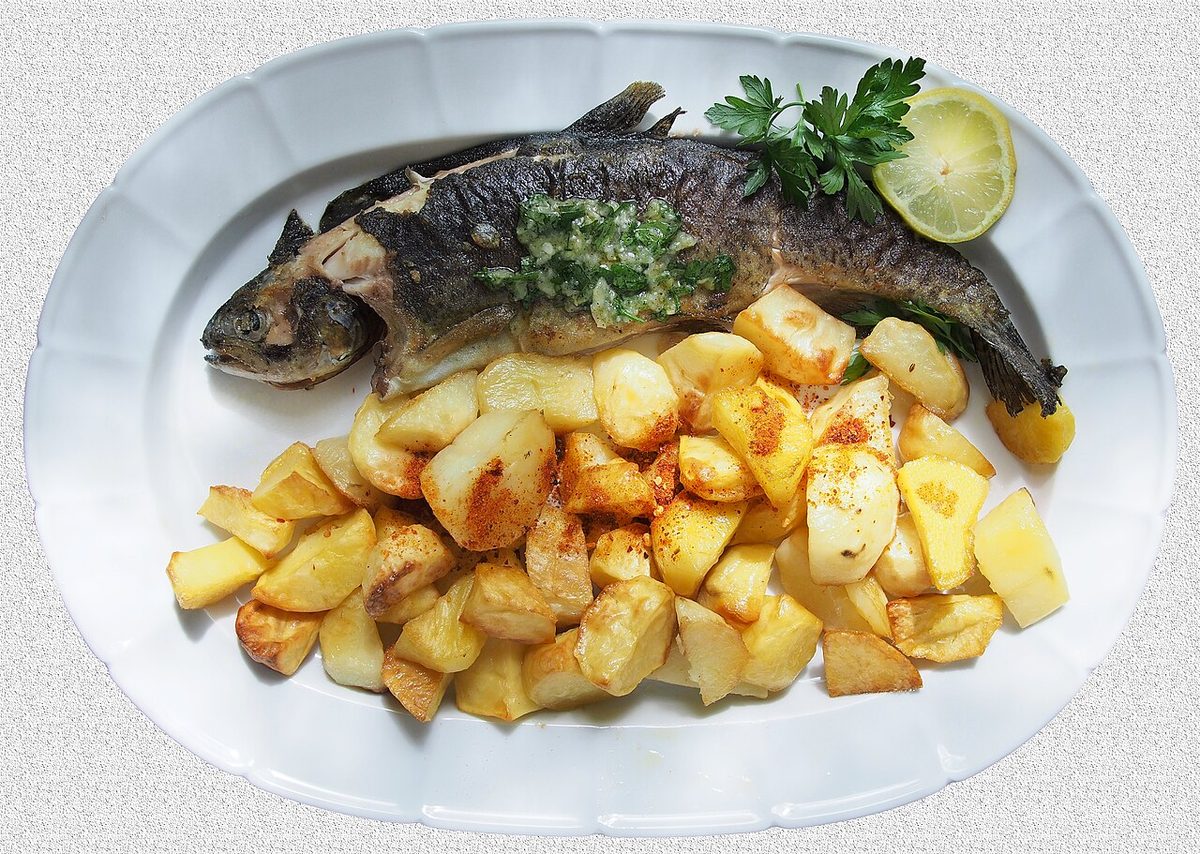
Trout is an oily fish that provides protein, omega-3, vitamin D and vitamin B12.
Why choose it? It's a good way to vary your oily fish, with a milder taste than mackerel.
How to eat it: fresh or frozen and cooked through. Smoked trout is a cold-smoked fish, so only eat it if it's cooked until steaming hot. Trout counts as oily fish.
Herring is an oily fish naturally rich in omega-3, vitamin D, vitamin B12 and protein.
Why choose it? Its EPA and DHA content makes it a valuable fish during pregnancy.
How to eat it: fresh and cooked through. Kippers are smoked herring: grill or poach them until steaming hot. Avoid pickled or marinated herring like rollmops, which isn't cooked. Herring counts as oily fish.
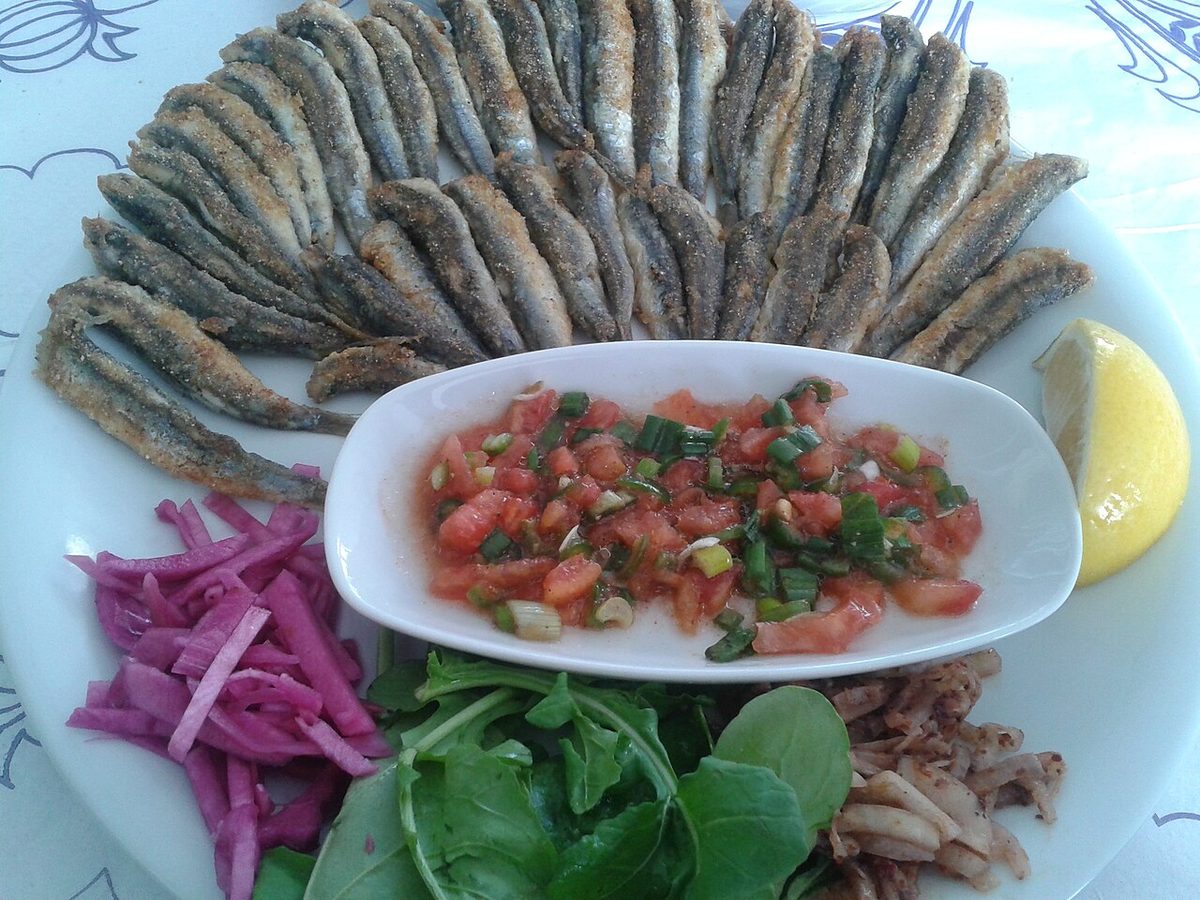
Anchovies are small sea fish that provide omega-3, protein, vitamin B12 and selenium.
Why choose them? Like sardines, they're small fish, which tend to build up less mercury than large predators.
How to eat them: cooked or tinned. Avoid anchovies marinated in vinegar (Spanish-style boquerones): they're raw fish.
Which fish should you avoid when pregnant?
According to the NHS, you should not eat these fish if you're pregnant or trying to get pregnant, because of their mercury levels:
Shark.
Swordfish.
Marlin.
And you should limit:
Tuna: no more than 4 cans or 2 fresh tuna steaks a week. Tuna doesn't count as oily fish, so it doesn't use up your oily fish portions.
Oily fish (salmon, trout, mackerel, sardines, herring, pilchards, sprats): no more than 2 portions a week. A portion is about 140g.
The NHS also advises against fish liver oil supplements, such as cod liver oil, during pregnancy, because they contain a lot of vitamin A.
Can you eat raw fish or sushi when pregnant?
Not with raw fish. The NHS advises avoiding raw fish and raw shellfish, including sushi made with raw fish, even if it has been frozen first. This covers:
Sushi and sashimi with raw fish.
Fish tartare and carpaccio.
Ceviche.
Raw oysters and other raw shellfish.
Sushi made with cooked fish or cooked shellfish (for example cooked prawns or crab) is fine.
Can you eat smoked salmon when pregnant?
Only if it's cooked. The NHS says cold-smoked and cured fish, like smoked salmon, must be cooked until steaming hot. That includes:
Smoked salmon and gravlax.
Smoked trout.
Smoked mackerel and kippers.
So a smoked salmon pasta bake or a hot kipper is fine, but smoked salmon straight from the packet on a bagel isn't.
The same goes for shellfish: cooked prawns, crab, mussels and scallops are fine, but cold, pre-cooked ready-to-eat prawns should be heated until steaming hot.
How much fish should you eat each week when pregnant?
The NHS recommends 2 portions of fish a week, one of which should be oily. For example:
1 portion of oily fish: salmon, sardines, mackerel, trout or herring.
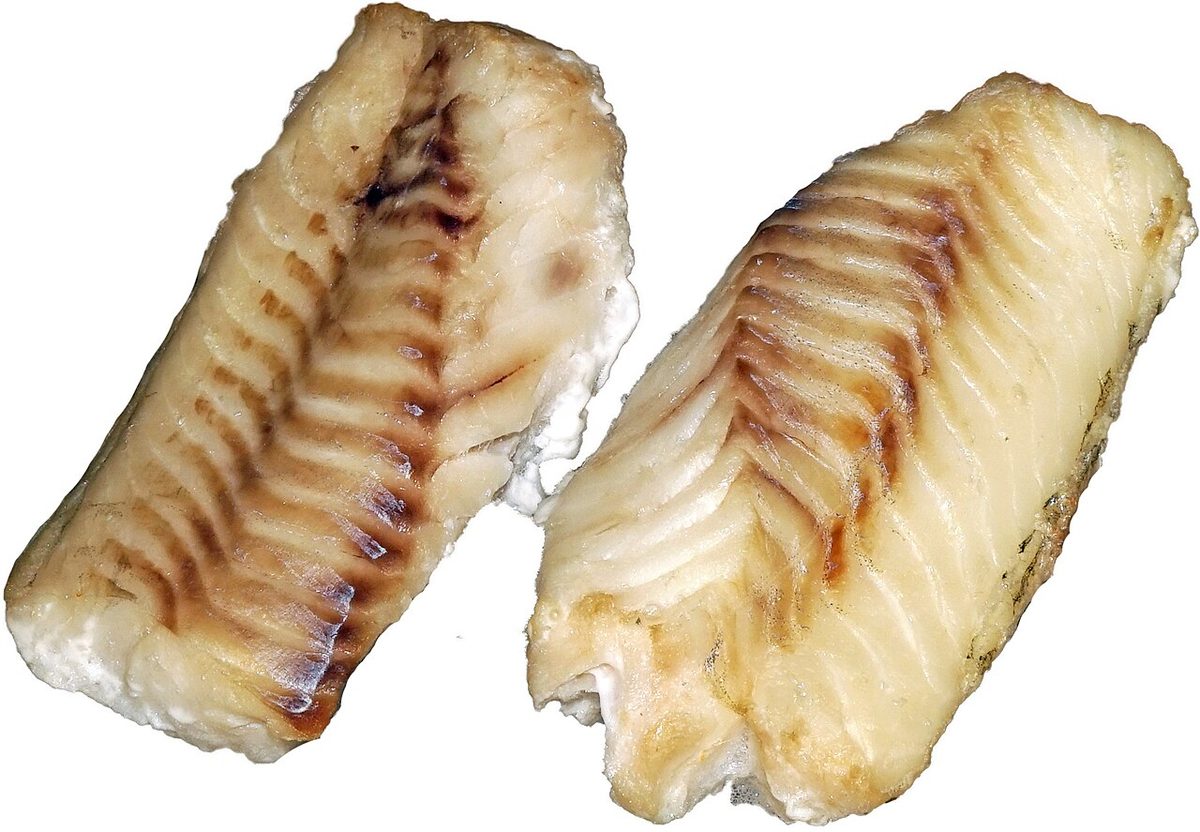
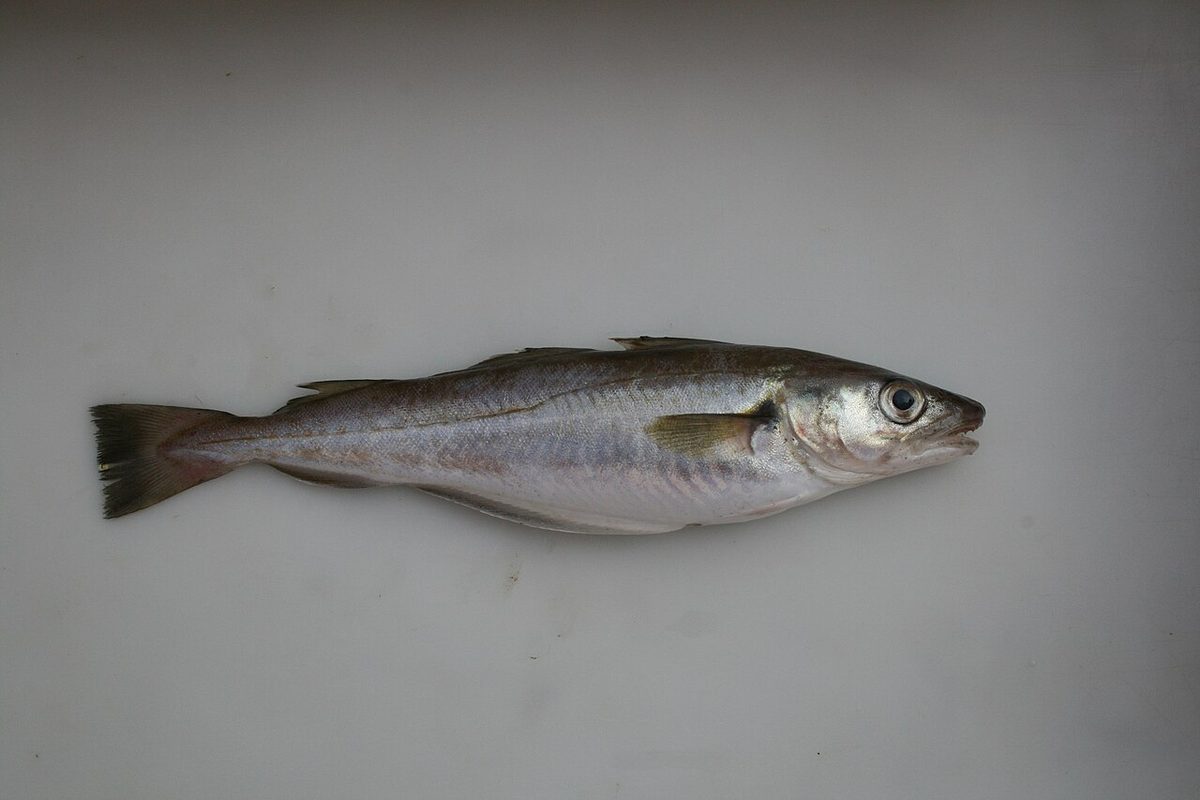
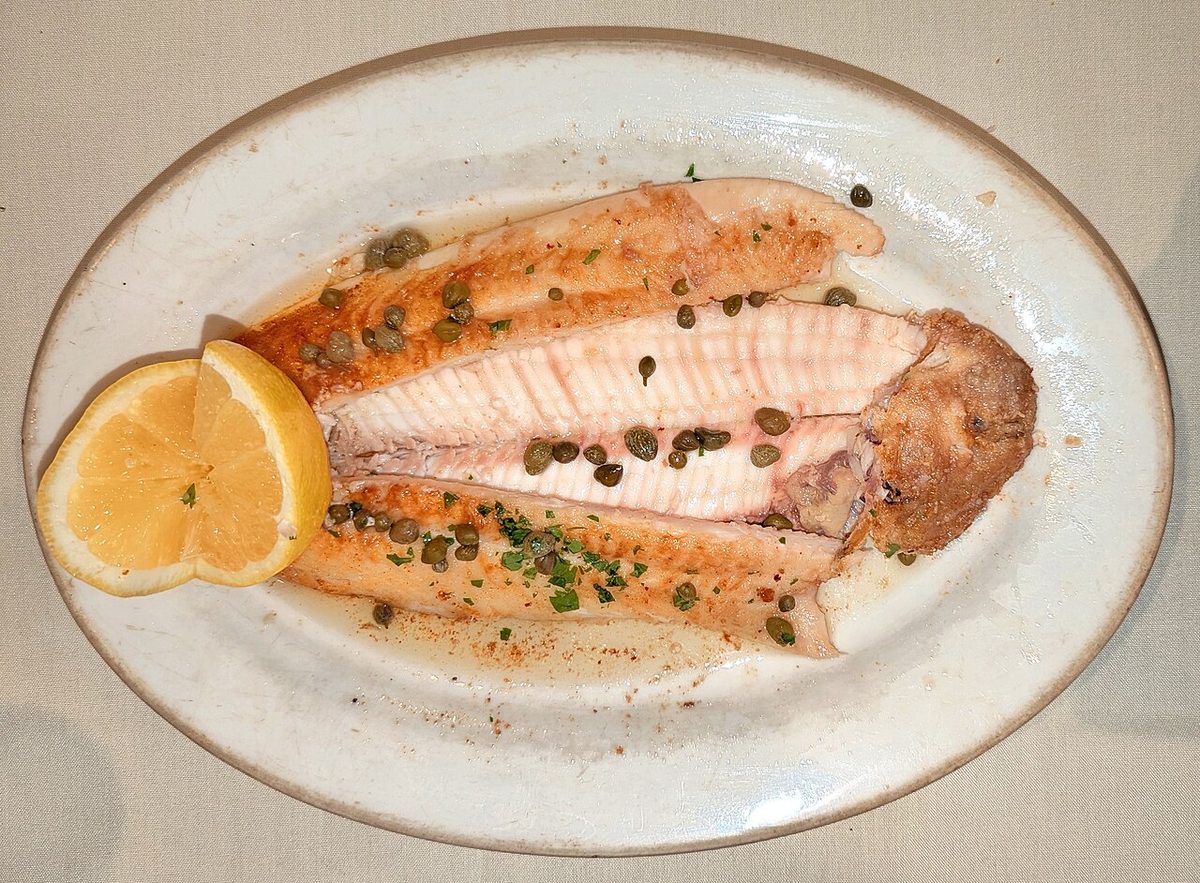
1 portion of white fish: cod, haddock, pollock, hake, whiting or sole.
You can have more white fish if you like, but keep oily fish to a maximum of 2 portions a week.
How to prepare fish safely during pregnancy
Buy fish from a trusted shop and keep it cold on the way home.
Store it in the fridge at 5°C or below and eat it by its use-by date.
Avoid raw, marinated and cold-smoked fish unless you cook it.
Cook fish until it's steaming hot all the way through.
Wash your hands, knives and chopping boards after handling raw fish.
Properly cooked fish is opaque and flakes easily with a fork.
FAQ: fish during pregnancy
Can I eat salmon when pregnant?
Yes! Cooked salmon is one of the best fish to eat during pregnancy. It counts towards your 2 portions of oily fish a week. Smoked salmon is only OK if it's cooked until steaming hot.
Can I eat tinned tuna when pregnant?
Yes, up to 4 cans a week (or 2 fresh tuna steaks). Tuna isn't counted as oily fish.
Can I eat tinned sardines when pregnant?
Yes. Tinned sardines are a great option, with omega-3, protein and calcium from the soft bones. They count as oily fish.
Can I eat fish and chips when pregnant?
Yes. Battered cod or haddock is cooked white fish, so it's safe. It's just not the healthiest way to eat fish every week.
Can I eat prawns when pregnant?
Yes, if they're cooked. Hot cooked prawns are fine. Cold, pre-cooked ready-to-eat prawns should be heated until steaming hot.
Is fish good for my baby's development?
Yes. Omega-3 fats, especially DHA, support your baby's brain and eye development, and fish also gives you protein, iodine and vitamin D.
Between the fish you can eat, the ones to limit and the ones to avoid, it's not always easy to keep track during pregnancy.
With Olyra, you can scan a product's barcode, search for a food or take a photo to find out whether it's safe during pregnancy, with the official source.
Download Olyra, your food and nutrition companion during pregnancy.