Cheddar, halloumi, mozzarella, paneer… You don't have to give up cheese when you're pregnant. Here are 10 cheeses you can enjoy, and the ones that need cooking first.
Do you really have to give up cheese when you're pregnant? Thankfully, no! Most of the cheeses you already buy in the UK are safe, as long as you know which ones to pick and which ones to cook first.
The main thing to watch out for is listeria, a bacterium that can grow in some soft and unpasteurised cheeses. Listeriosis is rare, but it can be serious during pregnancy (NHS).
So which cheeses can you eat while pregnant? Here are 10 good options, and the rules to know.
Why are some cheeses not recommended during pregnancy?
Listeria is more likely to grow in cheeses that are soft and moist, or that are made with unpasteurised milk. Two things matter when you choose a cheese:
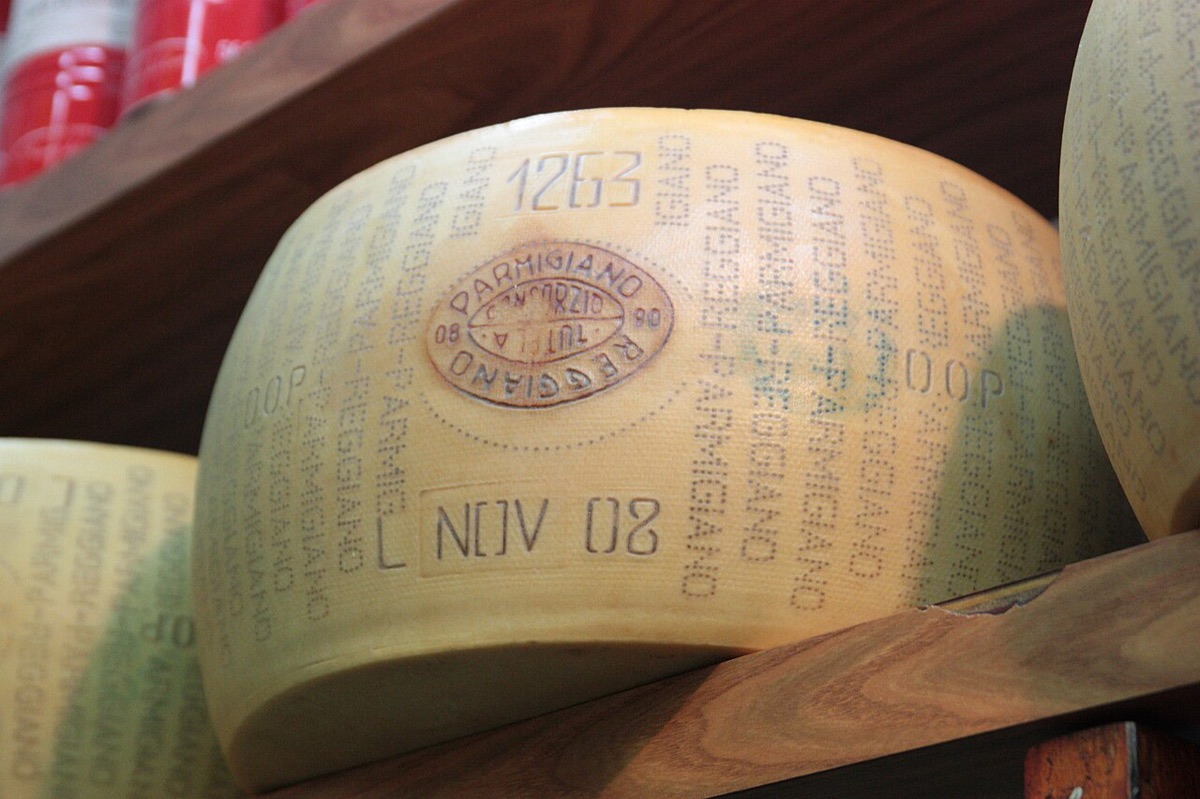
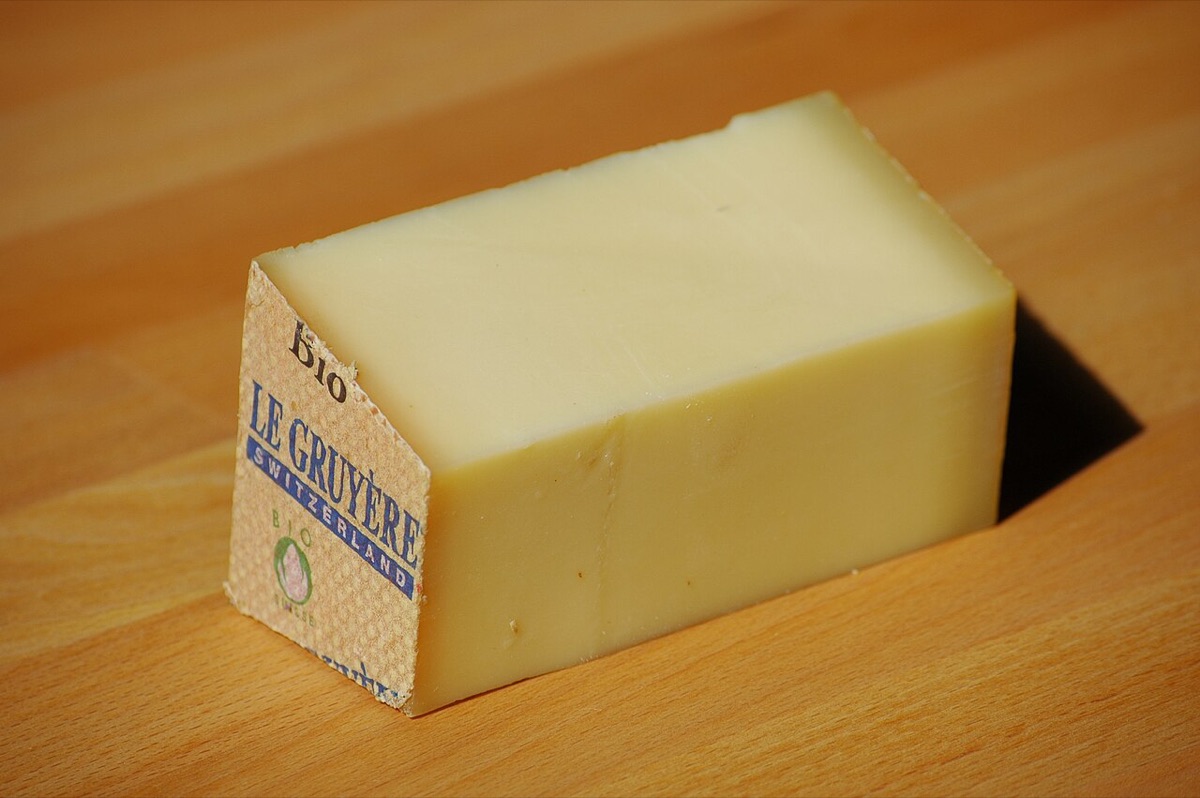
Is it hard or soft? According to the NHS, hard cheeses like cheddar, gruyère and parmesan are fine, even if they're made with unpasteurised milk.
Is it pasteurised? Soft cheeses are fine when they're made with pasteurised milk, except mould-ripened cheeses with a white rind and blue-veined cheeses, which need cooking.
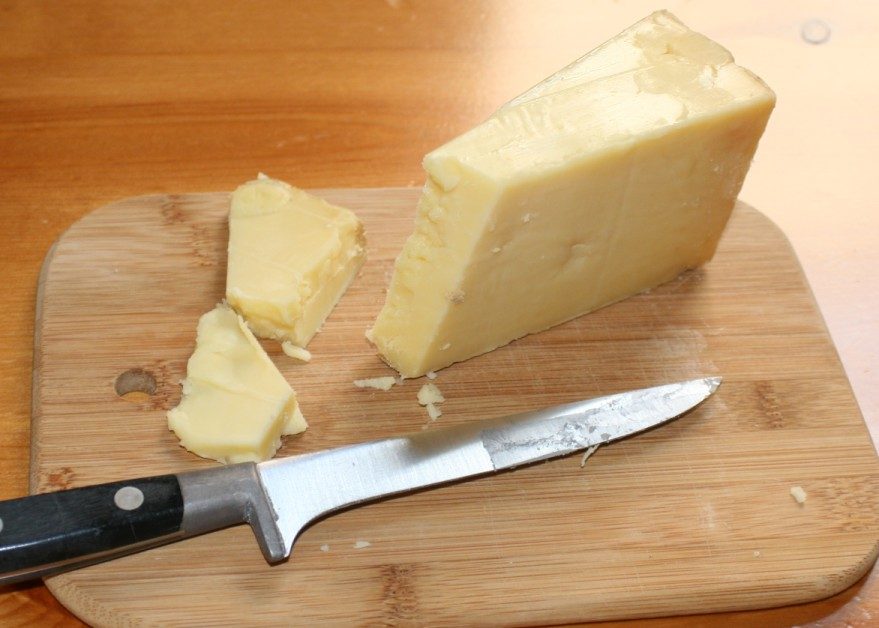
Britain's favourite cheese is a hard cheese, rich in calcium and protein.
Why is it safe? The NHS lists cheddar among the hard cheeses you can eat during pregnancy, whether it's made with pasteurised or unpasteurised milk. That includes farmhouse and mature cheddars.
Tip: enjoy it in a sandwich, on a jacket potato or melted on toast.
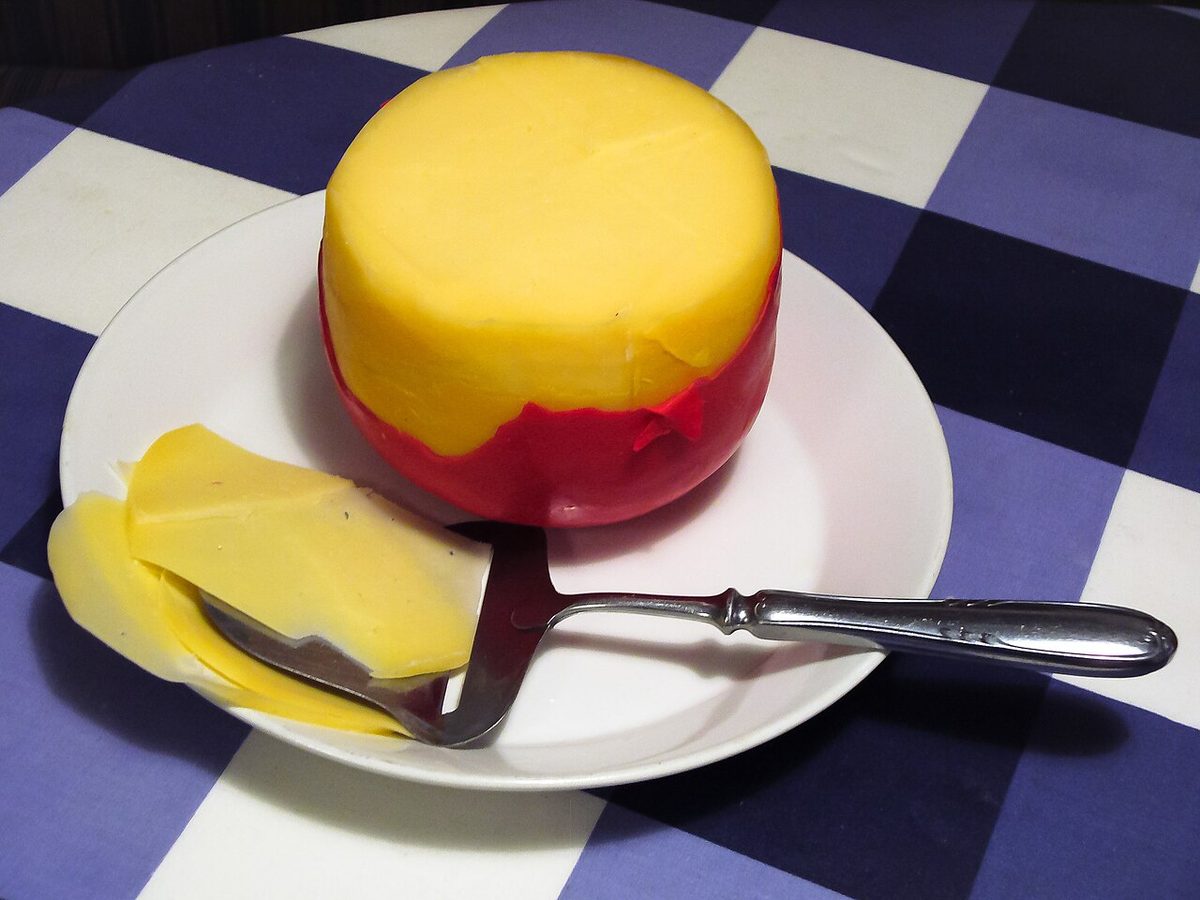
Edam is a mild Dutch semi-hard cheese, easy to find in UK supermarkets.
Why is it safe? The NHS says pasteurised semi-hard cheeses, such as Edam, are fine during pregnancy. The same applies to similar cheeses like Gouda, as long as they're pasteurised.
Tip: check the label says "made with pasteurised milk".
The NHS also lists these soft cheeses as safe when they're made with pasteurised milk:
Ricotta.
Mascarpone.
Burrata.
Goats' cheese without a white rind on the outside.
Which cheeses should you avoid unless cooked?
The NHS says these cheeses must be thoroughly cooked during pregnancy, whether they're pasteurised or not:
Mould-ripened cheeses with a white rind, such as brie, camembert and chèvre (rinded goats' cheese).
Soft blue-veined cheeses, such as Danish blue, gorgonzola and roquefort.
And you should avoid soft cheeses made with unpasteurised milk, as well as unpasteurised milk, cream and yoghurt.
What about Stilton? The NHS doesn't name Stilton. It's a blue-veined cheese, so the safest approach is to treat it like other blue cheeses and eat it cooked until steaming hot. If you're unsure, ask your midwife.
Can you eat cooked cheese when pregnant?
Yes! The NHS says any cheese that's been cooked until steaming hot is safe, including soft and blue cheeses.
So baked camembert, a brie and cranberry toastie served piping hot, or a blue cheese sauce are all fine, as long as the cheese is steaming hot all the way through.
How to check if a cheese is safe during pregnancy
Is it a hard cheese (cheddar, parmesan, gruyère)? Then it's fine, pasteurised or not.
Is it soft or semi-hard? Check the label says "made with pasteurised milk".
Does it have a white mouldy rind, or blue veins? Only eat it cooked until steaming hot.
Keep cheese in the fridge and eat it by its use-by date.
If you're not sure about a product, ask your midwife, GP or pharmacist.
FAQ: cheese during pregnancy
Can I eat unpasteurised cheese when pregnant?
Only if it's a hard cheese, like cheddar, gruyère or parmesan. Soft unpasteurised cheeses should be avoided unless they're cooked until steaming hot.
Can I eat brie when pregnant?
Only if it's cooked until steaming hot, for example baked brie. Cold brie should be avoided.
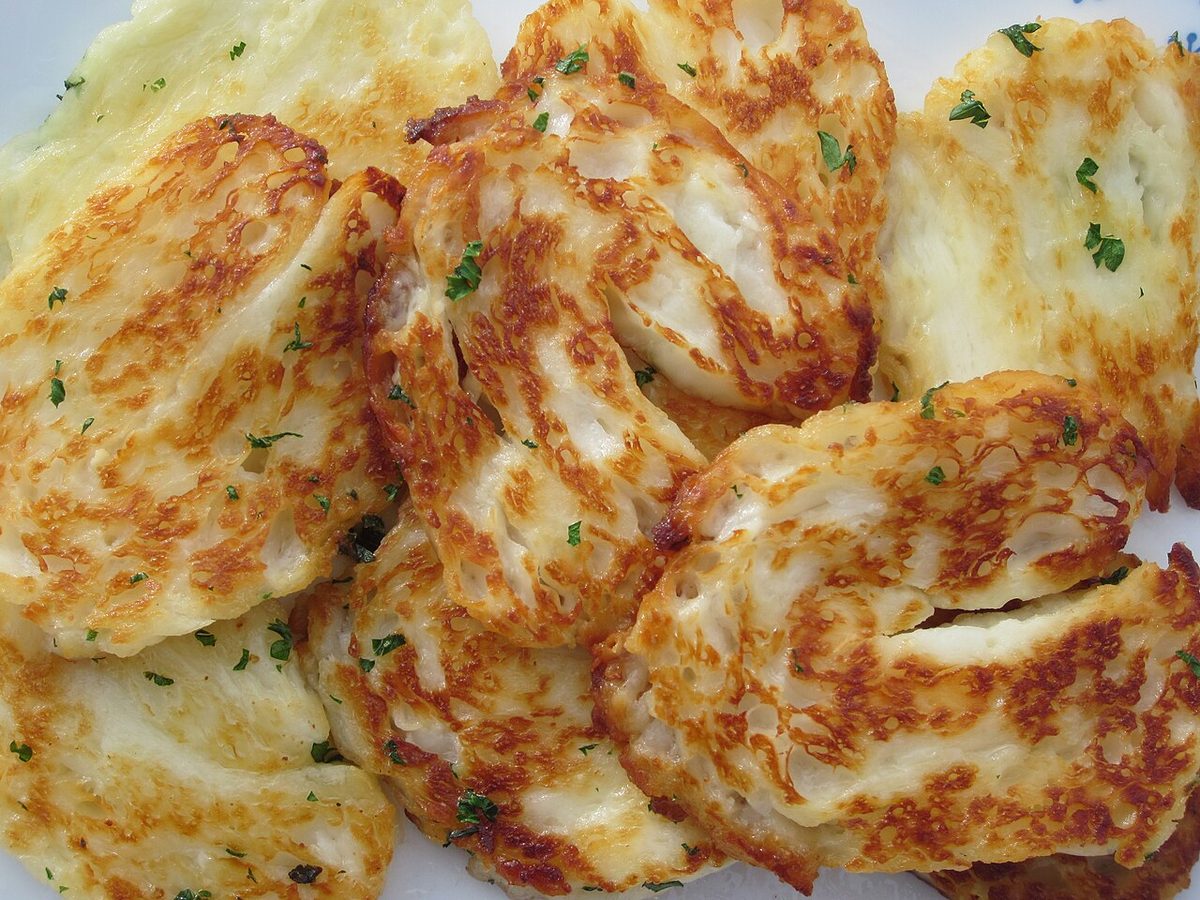
Can I eat halloumi when pregnant?
Yes, as long as it's made with pasteurised milk. Check the label.
Can I eat cheese on pizza when pregnant?
Yes. Cheese melted on a hot pizza is cooked, so it's fine, even soft or blue cheese.
Can I eat goats' cheese when pregnant?
Pasteurised goats' cheese without a white rind is fine. Goats' cheese with a white rind (like chèvre) needs to be cooked until steaming hot.
Check any cheese in seconds with Olyra
Hard or soft, pasteurised or not, rind or no rind… It's a lot to remember in the supermarket aisle.
With Olyra, you can scan a product's barcode, search for a food or take a photo to find out whether it's safe during pregnancy, with the official source.
Download Olyra and take the guesswork out of eating well during pregnancy.