What are the risks?
- Raw or lightly cooked shellfish: food poisoning from bacteria, viruses (such as norovirus in raw oysters) or toxins.
- Chilled ready-to-eat seafood: the NHS lists cooked shellfish among the chilled, ready-to-eat foods behind most cases of listeria. The risk is low, but listeriosis in pregnancy can be serious.
When can you eat it?
- Cooked until steaming hot: moules marinière, seafood paella, grilled lobster, pan-fried scallops, calamari, a crab or prawn stir-fry.
- Mussels, clams and cockles: cook until the shells open and throw away any that stay shut.
- Scallops: cook until they're opaque all the way through, not seared and translucent in the middle.
- Shop-bought sandwiches and salads with shellfish: keep them chilled and eat them before the use-by date, as the NHS advises.
Alternatives
Prefer seafood served hot and freshly cooked. If you fancy a cold seafood salad, a hot seafood pasta or a paella gives you the same flavours.
Special cases
Oysters
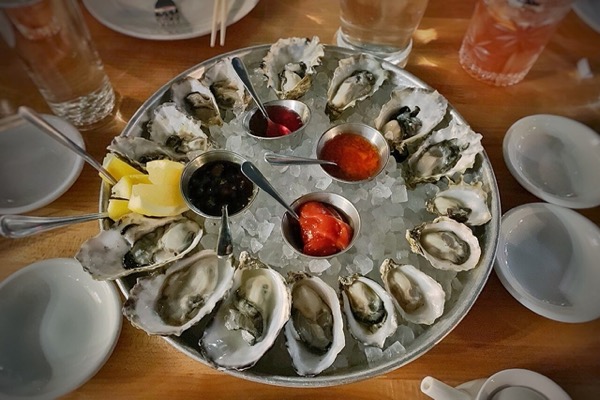
Oysters are usually served raw, so they're best avoided. Cooked oysters (grilled or baked until hot) are fine. See oysters in pregnancy.
Prawns
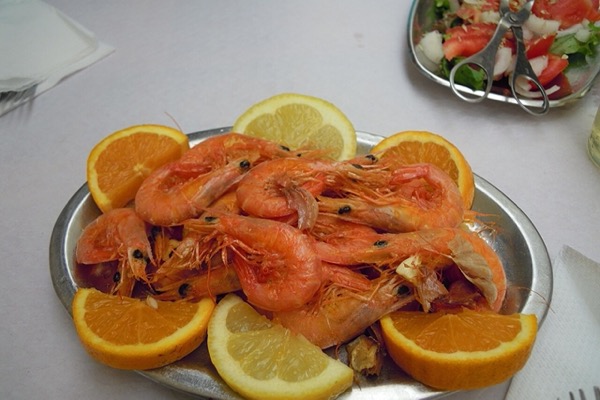
The NHS has one specific rule here: cold, pre-cooked ready-to-eat prawns must be cooked until steaming hot. See prawns in pregnancy.
Dressed crab and cold seafood platters
The NHS doesn't give a separate rule for cold dressed crab or seafood platters. They're cooked, but served cold, like the prawns the NHS asks you to heat.
If you have them, choose ones that have been kept properly chilled and are well within their use-by date. Eating your seafood hot is the most cautious option.
Brown crab meat
This isn't pregnancy-specific: the NHS notes that brown crab meat contains cadmium, which can affect bones and kidneys if you have too much of it. There's no maximum amount for white crab meat or other shellfish.
Crab sticks (surimi)
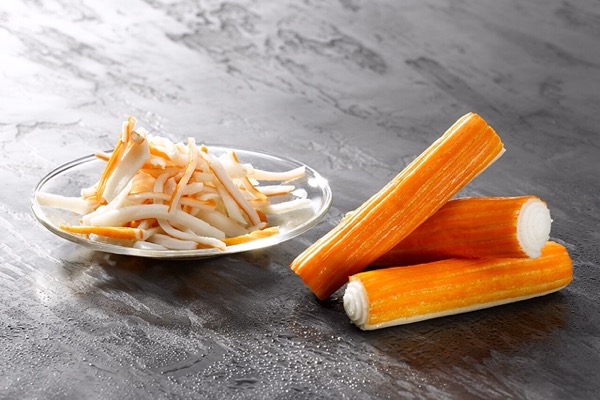
Crab sticks are made from cooked fish, not crab. See crab sticks in pregnancy.
Pregnant? Olyra tailors its guidance to your pregnancy.
Discover OlyraI've already eaten it: what should I do?
According to the NHS, if you have eaten something on the list of foods to take care with and you did not get ill, it's unlikely to have affected your baby. Listeriosis and toxoplasmosis are rare.
Keep an eye out for unusual symptoms in the following weeks: a high temperature, aches and pains, chills, feeling or being sick, or diarrhoea.
If you feel unwell or are worried, call your midwife, your GP or NHS 111, and say what you ate and when.
Frequently asked questions
Can I eat mussels when pregnant?+
Yes, cooked mussels are safe. Cook them until the shells open and steam is coming off.
Can I eat crab when pregnant?+
Yes, cooked crab is on the NHS list of safe shellfish. Keep cold crab chilled and eat it before its use-by date.
Can I eat lobster when pregnant?+
Yes, cooked lobster is safe.
Can I eat scallops when pregnant?+
Yes, if they're cooked through. Avoid scallops served raw (crudo, carpaccio) or very rare.
Is raw shellfish safe in pregnancy?+
No. The NHS says to avoid raw shellfish, including in sushi.
Sources
Published . Written from the public NHS guidance listed above. Last updated . See how we check our guidance.