Morning sickness: what to eat and how to feel better
Little-and-often plain foods, small sips of water, ginger and rest: NHS-based tips to ease pregnancy sickness, and the signs that mean you should call for help.
Nausea and vomiting are very common in early pregnancy. Despite the name, morning sickness can happen at any time of the day or night, and some people feel sick all day long.
It usually clears up by weeks 16 to 20 and does not put your baby at increased risk (NHS), although some people have symptoms for longer.
What should you eat?
Eat little and often. Small, frequent meals of plain foods that are high in carbohydrate and low in fat, such as bread, rice, crackers and pasta, are often easier to manage.
Start the day gently with something like dry toast or a plain biscuit.
Choose cold foods rather than hot ones if cooking smells make you feel sick.
Drink plenty of fluids such as water. Sipping little and often may help prevent vomiting. If drinking with meals makes you feel worse, try drinking between meals instead.
Staying hydrated is especially important if you are being sick.
Rest and other things that may help
Get plenty of rest: tiredness can make nausea worse.
Some people find acupressure helpful, using a wristband or pressing on the wrist with your fingers. There's some evidence it may relieve symptoms.
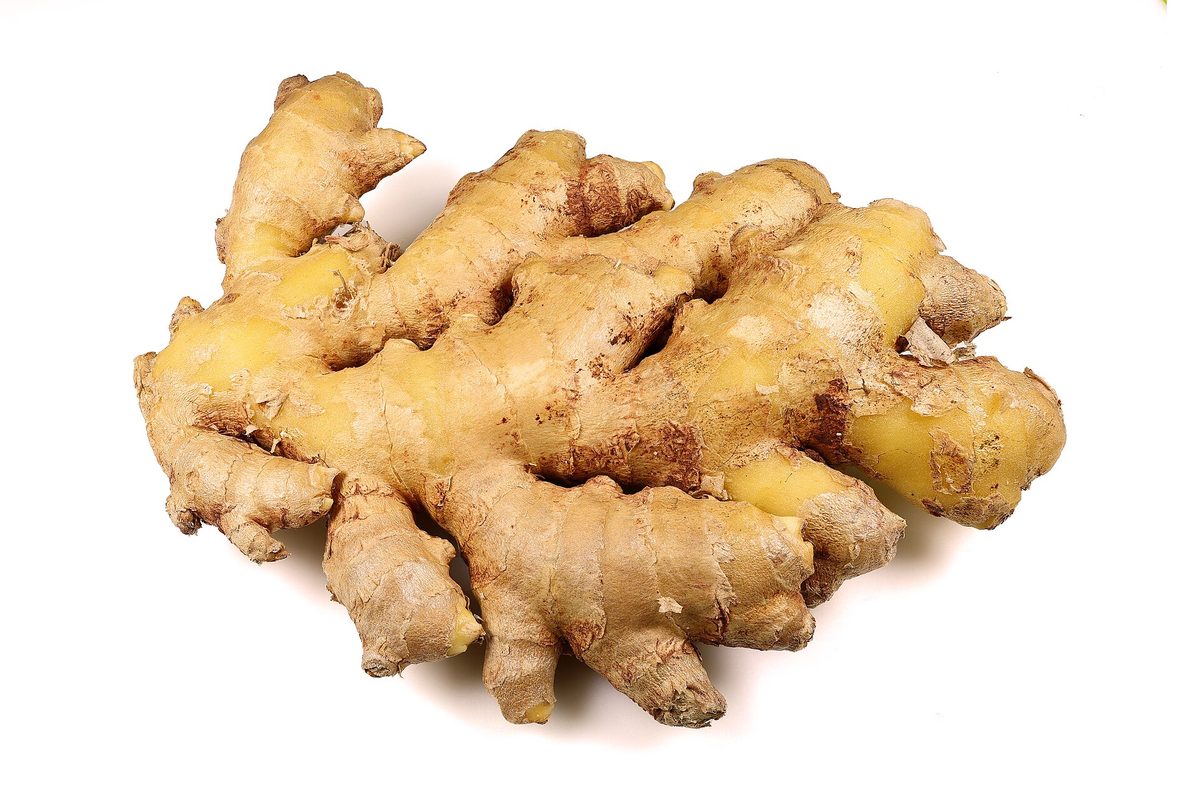
There's some evidence that foods or drinks containing ginger may help reduce nausea and vomiting. But check with your pharmacist before taking ginger supplements in pregnancy.
Do not start medicines, herbal remedies or essential oils without professional advice. If your sickness is severe and lifestyle changes do not help, your GP may recommend an anti-sickness medicine that's safe in pregnancy. For supplements, read our guide to pregnancy vitamins.
When should you seek help?
Call your midwife, GP or NHS 111 if you're vomiting and you (NHS):
have very dark-coloured urine or have not had a wee in more than 8 hours;
cannot keep food or fluids down for 24 hours;
feel very weak, dizzy or faint when standing up;
have tummy pain or a high temperature;
vomit blood;
have lost weight.
Severe pregnancy sickness, called hyperemesis gravidarum, can lead to dehydration and may need specialist treatment, sometimes in hospital.
FAQs
Is morning sickness only in the morning?
No. It can happen at any time of the day or night.
Should I force myself to eat a full meal?
No. Smaller, more frequent portions of plain food may be easier to manage.
Is morning sickness harmful to my baby?
Usual morning sickness does not put your baby at increased risk. Severe vomiting with dehydration or weight loss needs prompt medical care.